

Roll-On/Roll-Off Across U.S.-Mexico Trade Operations
Drive-On Maritime Transport With Controlled Vessel Loading
Roll-On/Roll-Off transport at International Link Logistics manages wheeled cargo movement via specialized vessels designed for direct loading and discharge. Operations in Southern California coordinate port terminal sequencing and vessel intake, while Mexico City teams prepare export-bound vehicles and equipment for maritime departure.
Instead of containerizing cargo, RoRo transport allows vehicles and rolling machinery to be driven directly onto ships using built-in ramp systems. This method reduces handling steps, simplifies loading procedures, and enables efficient maritime movement of self-propelled or towable cargo.
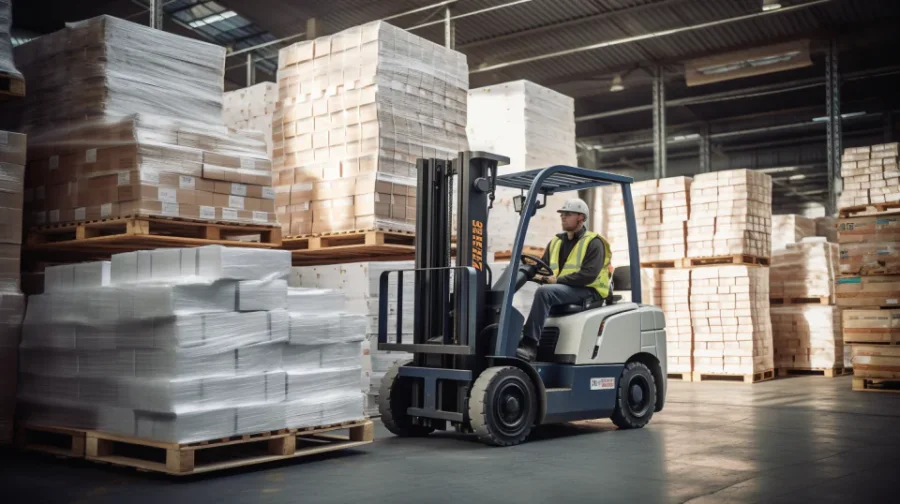
Ramp Loading
Port Operations
Southern California gateway ports manage vessel intake and cargo boarding, while Mexico City oversees export preparation and dispatch to maritime terminals.
Onboard Positioning
Vehicles and equipment are directed into designated vessel zones to maintain load balance and transport stability during sea transit.
We Cover
- Vehicle Boarding Coordination
- Ramp-based Loading Management
- Vessel Space Allocation
- Export Preparation for RoRo Shipment
- Terminal Transfer Planning
- Maritime Discharge Coordination
Vessel Access
RoRo transport depends on structured loading, positioning, and onboard securing procedures.
Maritime Handling Challenges Solved
RoRo transport eliminates handling risks associated with traditional cargo loading methods.
- Multiple Cargo Transfer Stages
- Complex Container Loading Requirements
- Equipment Handling Damage Risk
- Inefficient Port Loading Cycles
- Extended Terminal Processing Time
RoRo Transport Experience
International Link Logistics coordinates wheeled cargo movement through maritime transport systems serving major shipping lanes. Operations manages terminal preparation in Southern California and export staging in Mexico City, aligning vessel schedules, loading procedures, and discharge planning.
This experience supports efficient maritime transport for vehicles and rolling equipment across international trade routes.
Board Your Cargo
Call Us Anytime!
USA - Los Ángeles, CA
Mexico - Mexico City
- How RoRo Transport Works
From Start To End
Direct Loading
Drive-on vessel access reduces handling stages and speeds port processing.
Terminal Coordination
Cargo movement is scheduled according to vessel intake windows and terminal procedures.
Transit Stability
Onboard positioning maintains load balance throughout maritime transport.
Plan Vessel Shipment
RoRo planning begins with cargo dimensions, transport requirements, and vessel scheduling availability.
Years Experience
0
+
25 years of longstanding operational involvement in U.S. and Mexican regulatory systems.
Customers
0
+
Operational presence at Southern California port gateways and Mexico export staging facilities.
Packages Delivered
0
+
Inventory managed and distributed through coordinated fulfillment workflows.
Frequently Asked Questions
RoRo transport is used for self-propelled vehicles, trailers, and wheeled equipment that can be driven or towed onto a vessel. It is commonly used for automobiles, machinery, and transport equipment.
RoRo cargo is loaded directly onto vessels using ramps, eliminating the need for container packing and crane handling. This reduces loading time and handling-related exposure.
RoRo is preferred when cargo is wheeled, oversized, or difficult to containerize. It is also used when direct loading and unloading improve efficiency or reduce handling risk.
Services We Provide
Ocean Freight Services
Containerized shipping aligned with export preparation and inland distribution.
Airfreight Services
Time-sensitive cargo coordination supporting international transport from both regions.
Warehousing
Inventory handling and staging, aligned with domestic and cross-border shipment timing.
3PL
Integrated logistics supporting storage, fulfillment, and distribution across U.S. and Mexico operations.
Customs Brokerage
Regulatory coordination supporting compliant import and export clearance.